US ai Market Trends: The Convergence of Web and App Development

Artificial intelligence is reshaping the American technological landscape. Business leaders across the United States are moving past the experimental phases of intelligent systems. They now demand practical, scalable integrations that directly impact their bottom line. The conversation no longer centers on what these systems might do tomorrow. Instead, it focuses on how they operate today. At the core of this transformation is a distinct shift in software engineering. Standalone web platforms and mobile applications are no longer sufficient to maintain a competitive edge. The most successful organizations understand that web, app, and ai development must merge into a unified ecosystem. This convergence creates dynamic, self-improving digital products that learn from user interactions and optimize business operations in real-time. This guide breaks down the current ai trends dominating the US market. We will explore the rapid adoption of generative models in enterprise workflows and the crucial shift toward edge computing for mobile applications. We will also examine how hyper-personalization drives modern e-commerce and why ethical implementation and data privacy define the next era of custom software engineering. By understanding these trends, you will see exactly how myfluiditi helps businesses leverage technology for sustainable growth. The Convergence of Web, App, and ai Development Historically, software development occurred in distinct silos. Teams built web platforms, engineered mobile applications, and trained data models entirely separate from one another. This fragmented approach often resulted in disjointed user experiences and inefficient data utilization. American enterprises can no longer afford such inefficiencies. Today, custom software engineering requires a holistic approach. Intelligent algorithms form the central nervous system of modern digital products. They process data gathered from mobile sensors and web interactions, returning actionable insights instantly. This seamless data loop empowers applications to adapt to individual user preferences dynamically. Myfluiditi specializes in this exact convergence. We recognize that an intelligent algorithm provides zero value if users cannot interact with it intuitively. By embedding sophisticated models directly into the architecture of web and mobile applications, we create cohesive digital ecosystems. These platforms do not just display information; they anticipate needs, automate responses, and drive measurable business outcomes. Generative ai Revolutionizes Enterprise Workflows The rise of generative ai marks a pivotal moment in corporate efficiency. For years, businesses relied on analytical models to interpret existing data. Generative models push these boundaries by creating entirely new content, code, and structural designs. This capability is fundamentally altering how American enterprises structure their daily workflows. Automating Complex and Routine Tasks Enterprise teams spend countless hours on routine administrative tasks. Drafting internal reports, summarizing long meetings, and structuring project outlines consume valuable resources. Generative models eliminate this bottleneck. By integrating these tools into internal web portals and employee applications, companies automate content generation at scale. This automation extends far beyond basic text generation. Financial institutions use these systems to draft initial compliance reports based on vast datasets. Healthcare administrators deploy them to synthesize patient histories into easily digestible summaries for attending physicians. The result is a massive reduction in administrative overhead. Employees reclaim their time, redirecting their focus toward strategic initiatives that require human ingenuity and critical thinking. Enhancing Creative and Coding Output The impact of generative technology on software engineering itself is profound. Development teams across the US utilize these tools to accelerate their coding cycles. By analyzing vast repositories of open-source code, generative models suggest optimal syntax, identify potential vulnerabilities, and write boilerplate code instantly. This acceleration allows custom software engineering firms like myfluiditi to deliver complex projects faster. Our developers leverage these tools as collaborative assistants. We offload repetitive coding tasks to the algorithm, allowing our human engineers to focus on architectural design, system security, and custom business logic. This synergy between human expertise and machine efficiency translates directly to faster time-to-market for our clients. Furthermore, marketing and design teams use generative tools to rapidly prototype visual assets and promotional copy. By inputting specific brand parameters, designers generate hundreds of viable layouts in minutes. This rapid iteration process enables companies to test multiple campaigns simultaneously, optimizing their messaging based on real-time performance metrics. Transforming Customer Support Channels Customer support represents a significant operational cost for US businesses. Traditional chatbots often frustrate users with rigid, scripted responses. Generative ai transforms these support channels completely. Modern conversational interfaces understand nuance, context, and customer sentiment. When integrated into a company’s web and mobile applications, these intelligent assistants provide immediate, accurate resolutions to complex inquiries. They pull information seamlessly from internal knowledge bases, adapting their tone to match the user’s emotional state. This level of sophisticated automation improves customer satisfaction scores while drastically reducing the burden on human support agents. The Shift Toward Edge Computing in Mobile Apps As mobile applications become more complex, their reliance on centralized cloud servers creates distinct challenges. Sending massive amounts of data back and forth between a device and a distant server introduces latency. It also requires constant internet connectivity and raises significant data privacy concerns. The solution to these challenges lies in edge computing. Reducing Latency for Real-Time Processing Edge computing shifts the processing power from centralized servers directly to the “edge” of the network—in this case, the user’s mobile device. By running ai models locally on smartphones and tablets, applications process data instantly. This eliminates the latency associated with cloud computing. For many industries, this real-time processing is critical. Consider augmented reality (AR) applications used in manufacturing or retail. If an AR app must send video feeds to the cloud for analysis, the resulting delay disrupts the user experience. Edge computing allows the device’s local processor to analyze the video feed and overlay digital information instantly. Myfluiditi engineers mobile applications that maximize this local processing power. We optimize complex algorithms to run efficiently on mobile hardware without draining battery life. This ensures that our clients’ applications remain lightning-fast and highly responsive, regardless of network conditions. Guaranteeing Offline Functionality American workers operate in diverse environments, many of which lack reliable internet access. Field technicians, agricultural workers, and logistics personnel require applications that function seamlessly offline. Edge computing
The Future of Data Analytics – Trends Shaping Tomorrow

Every minute, we generate massive volumes of information. From every click on a website to every transaction processed globally, information flows endlessly. But raw information holds no real value until you extract the hidden patterns within it. For startup founders and business owners, understanding this flow is no longer optional. It determines whether a company leads the market or falls behind. Artificial intelligence is rapidly shifting how we interact with this information. We are moving away from manual data pulling and stepping into an era where machines actively interpret, forecast, and recommend actions. The future of data analytics promises systems that not only report what happened yesterday but also predict what will happen tomorrow. If you want to build a resilient, competitive organization, you need to understand where this technology is heading. Let us explore the key shifts, emerging trends, and massive opportunities defining the future of data analytics. What Does Data Analytics Look Like Today? Before we look forward, we must understand our current baseline. Over the past decade, business intelligence (BI) tools became the standard for modern companies. Dashboards, automated reports, and interactive charts replaced clunky spreadsheets. Currently, most organizations rely on descriptive analytics. This means they look at historical information to understand past performance. You check your monthly dashboard to see how many units you sold, what your customer acquisition cost was, and where your traffic originated. While these tools provide incredible value, they still require heavy human intervention. Data analysts must clean the inputs, build the models, configure the dashboards, and interpret the charts. If a business leader has a complex question, they submit a ticket to the data team and wait days for an answer. The current state is functional, but it is often reactive and slow. Key Data Analytics Trends Driving the Future The limitations of traditional reporting are fueling massive innovation. The future of data analytics relies on speed, accessibility, and foresight. Here are the major data analytics trends reshaping the corporate landscape. The Rise of AI in Analytics Artificial intelligence completely redefines how we extract insights. AI in analytics moves the heavy lifting from human analysts to machine learning algorithms. Instead of building complex SQL queries, business owners can soon type natural language questions into their platforms. You might ask, “Why did our customer retention drop in the third quarter?” The AI will instantly analyze millions of data points, identify the root causes, and present a clear summary. This capability reduces the time from question to insight from days to mere seconds. The Shift to Real-Time Data Processing Looking at week-old reports no longer works when consumer behavior shifts overnight. Real-time data processing allows companies to analyze information the exact moment it generates. E-commerce platforms can adjust pricing instantly based on live inventory and competitor changes. Financial institutions can detect and block fraudulent transactions before the money leaves an account. Logistics companies can reroute shipments instantly to avoid unexpected weather patterns. Empowering Growth with Predictive and Prescriptive Analytics Descriptive analytics tells you what happened. Predictive analytics tells you what will likely happen next. By feeding historical patterns into advanced models, businesses can forecast demand, anticipate equipment failures, and predict customer churn. But the next frontier is prescriptive analytics. This technology does not just predict the future; it tells you exactly what to do about it. If predictive models indicate a 20% drop in sales next month, prescriptive analytics will recommend a specific marketing campaign, budget allocation, and target audience to offset that drop. Data Democratization and No-Code Tools Historically, data belonged to the IT department. If marketing or sales needed insights, they waited in line. The future relies on data democratization. We are seeing a massive surge in low-code and no-code analytics platforms. These intuitive tools empower non-technical employees to build their own models, create custom dashboards, and find their own answers. When everyone in a company can access and understand insights, the entire organization moves faster. Heightened Focus on Data Privacy and Governance As data collection grows, so does the scrutiny surrounding it. Governments worldwide are implementing stricter privacy regulations. Consumers demand transparency regarding how companies use their personal details. Consequently, the future of analytics features robust privacy by design. Organizations will invest heavily in data governance frameworks. Technologies like differential privacy and synthetic data generation will allow companies to extract valuable insights without compromising individual user identities. The Rise of Edge Analytics Traditionally, devices sent information back to a central cloud server for processing. However, the explosion of Internet of Things (IoT) devices creates too much traffic for this model. Edge analytics solves this by processing information right where it is generated—at the “edge” of the network. A smart factory machine will analyze its own performance metrics locally and only send critical alerts to the main server. This drastically reduces bandwidth costs and enables instantaneous responses to local problems. The Impact on Data-Driven Business Models These technological shifts directly translate to business growth. Building a data-driven business creates a massive competitive advantage. When startup founders harness predictive analytics and real-time processing, they achieve incredible agility. You can pivot marketing strategies the moment you detect a shift in customer sentiment. You can optimize your supply chain to eliminate waste and reduce overhead costs. Furthermore, deep insights allow you to hyper-personalize the customer experience. Consumers now expect brands to understand their specific needs. By analyzing individual behaviors and preferences, you can deliver tailored product recommendations and personalized communications. This level of service builds intense customer loyalty and significantly increases lifetime value. Businesses that refuse to adopt these advanced capabilities will simply lack the speed and precision to compete. Overcoming the Challenges Ahead While the future holds incredible promise, the path forward presents real obstacles. Business owners must prepare to navigate several major challenges. Data Overload and “Data Swamps” More data does not automatically equal better decisions. Many organizations currently hoard every piece of information they can capture. Without proper structure and architecture, a data lake quickly turns into a murky “data
Digital Transformation News 2026: Trends & Insights
Over the past two decades of architecting enterprise technology systems, I have watched the corporate digital landscape shift from basic monolithic software deployments to the hyper-connected, artificially intelligent ecosystems we operate in today. Tracking the right digital transformation news is no longer a passive exercise for US business leaders. It is an active requirement for survival. By 2026, the technological baseline for American enterprises has moved aggressively forward. Companies are no longer asking if they should adopt artificial intelligence or decouple their web architectures. They are asking how to integrate these massive systems securely, efficiently, and at unprecedented scale. This guide breaks down the critical shifts defining the 2026 technology sector. We will analyze the deep systemic changes impacting AI governance, headless web architecture, and enterprise-scale mobile ecosystems. Myfluiditi stands at the forefront of this evolution, engineering the web, app, and AI solutions that power industry leaders. Through this detailed examination, you will gain the actionable intelligence needed to future-proof your infrastructure and drive measurable revenue growth. The Evolution of Enterprise Technology in 2026 The contemporary US market demands absolute agility. When we analyze recent digital transformation news, a stark reality emerges. Legacy systems built even five years ago are now active liabilities. They bottleneck data flow, restrict machine learning capabilities, and create massive security vulnerabilities. Modern enterprise architecture requires a modular, API-first approach. We are seeing a massive transition away from vendor lock-in. Chief Information Officers want the freedom to select the best artificial intelligence tools, the most robust content management systems, and the fastest database solutions, weaving them together into a proprietary stack. This level of custom integration requires specialized expertise. You cannot rely on out-of-the-box software to differentiate your brand in a saturated market. Reading the latest digital transformation news reveals that companies partnering with specialized development firms, like Myfluiditi, consistently outpace their competitors in both deployment speed and system stability. Core Pillars of Modern Infrastructure To understand the trajectory of 2026, we must establish the three pillars supporting modern corporate technology: Decentralized Data Lakes: Centralizing raw data while decentralizing the access points for various AI models and analytics tools. Microservices Architecture: Breaking down large applications into smaller, independent services that communicate via APIs. Continuous Deployment Pipelines: Automating the testing and release of software to allow for daily, or even hourly, updates. AI Governance and Deep Machine Learning Integration Artificial intelligence is the undeniable focal point of almost every piece of digital transformation news published this year. However, the conversation has matured. We are no longer discussing generative AI as a novelty for writing emails. In 2026, we are dealing with autonomous agents, predictive neural networks, and deep machine learning models that directly control supply chains, financial forecasting, and user experience paradigms. The Imperative of AI Governance With great computational power comes massive regulatory and ethical responsibility. The US regulatory environment surrounding AI has tightened significantly. You cannot deploy an AI model without strict governance frameworks. AI governance dictates how data is sourced, how models are trained, and how decisions are audited. When an AI denies a loan application or alters a dynamic pricing model, you must be able to explain exactly why that decision was made. Reading enterprise-focused digital transformation news highlights the massive fines and reputational damage companies suffer when they ignore these governance protocols. At Myfluiditi, our AI development process builds governance directly into the foundation. We implement robust auditing trails, bias detection algorithms, and strict data privacy filters. This ensures your AI initiatives remain compliant, ethical, and highly effective. Hyper-Personalization at Scale Generic customer experiences are dead. Consumers expect your digital platforms to anticipate their needs before they even click. We achieve this through deep machine learning integration. By feeding real-time user interaction data into predictive models, your web and mobile applications can alter their interfaces, product recommendations, and messaging instantly. This is not simple A/B testing. This is algorithmic interface generation. Every user sees a unique version of your platform optimized specifically for their psychological profile and purchasing history. Headless Architecture and the Decentralized Web Web development has undergone a radical decoupling. If you follow digital transformation news, you know that traditional Content Management Systems are rapidly being replaced by headless architectures. Breaking the Monolith A traditional website tightly couples the back-end database with the front-end user interface. If you want to change how a product page looks, your developers often have to rewrite the underlying code that pulls the product data. This is slow, expensive, and prone to breaking. Headless architecture severs this connection. The back-end becomes a pure data repository that delivers content via APIs. The front-end is built entirely separately using modern frameworks like React, Vue, or Next.js. Omnichannel Content Delivery The true power of headless commerce lies in its omnichannel capabilities. Because the content is delivered via API, you can push the exact same product description, pricing data, and user profile information to a website, an iOS app, a smart refrigerator, and a digital billboard simultaneously. When you review technical digital transformation news, the speed metrics associated with headless builds are staggering. By pre-rendering front-end pages and delivering them via global Content Delivery Networks (CDNs), load times drop from seconds to milliseconds. Myfluiditi specializes in architecting these headless environments, giving your marketing team complete freedom without sacrificing technical performance. Enterprise-Scale Mobile Ecosystems Mobile application development has evolved past single-function utilities. The most critical digital transformation news regarding mobile strategy involves the consolidation of features into massive, interconnected ecosystems. The Transition to Super Apps US consumers suffer from app fatigue. They will not download a dedicated application for every brand they interact with. To secure real estate on a user’s device, your app must offer compounding value. We are seeing enterprises build “Super Apps” that combine e-commerce, customer support, loyalty programs, and even integrated financial services into a single interface. Building a Super App requires mastering state management, complex API routing, and extreme memory optimization. Cross-Platform Native Performance Maintaining separate codebases for iOS and Android is a massive
Best Technology PR Strategy for US Tech Brands

Launching a groundbreaking application or artificial intelligence platform is only half the battle. If nobody knows about your product, even the most elegant code will fail to generate revenue. This is where a targeted, data-driven approach to public relations becomes critical for tech founders and marketing executives. Securing top-tier media coverage, building unshakeable brand authority, and managing public perception require more than just writing a press release. You need a comprehensive plan. Crafting the perfect technology pr strategy means understanding the unique dynamics of the US tech market, knowing how journalists operate, and positioning your complex solutions as accessible, must-have innovations. In this comprehensive guide, we will break down the exact components of a winning technology pr strategy. You will learn how to position AI products, navigate media relations, establish thought leadership, handle crisis management, and ultimately tie your public relations efforts back to your core development goals. The Core of a Winning Technology PR Strategy Before pitching a single journalist, you must establish the foundation of your narrative. A solid technology pr strategy goes beyond mere product announcements. It connects what your software does with why it actually matters to human beings and businesses. For web, app, and AI development companies like MyFluiditi, the narrative often centers around efficiency, digital transformation, and future-proofing operations. Your strategy must highlight these benefits cleanly. Journalists receive hundreds of pitches daily from tech startups. To stand out, your messaging must be sharp, data-backed, and completely devoid of confusing jargon. Define Your Unique Value Proposition (UVP) What makes your AI application different from the dozen others launched this week? Your unique value proposition serves as the heartbeat of your technology pr strategy. It should clearly state the problem you solve, the specific audience you help, and the measurable results you deliver. Map Your Target Audience You cannot build an effective technology pr strategy without knowing exactly who you are talking to. Are you selling enterprise AI solutions to Fortune 500 CTOs? Are you launching a consumer-facing mobile app? Each audience consumes different media. By mapping your audience, you can identify the exact publications, podcasts, and newsletters that deserve your attention. Structuring Your Technology PR Strategy for Product Launches Product launches represent the highest-stakes moments in any tech company’s lifecycle. A failed launch can stall momentum for months. A successful one can drive massive user acquisition and investor interest. Web and App Development Launches When launching a web platform or mobile app, your technology pr strategy needs to focus on user experience and market disruption. The US market is highly saturated. To break through the noise, you must demonstrate exactly how your app saves time, saves money, or fundamentally changes a daily routine. Offer tech journalists exclusive early access. Let them test the app. Provide them with high-quality screen recordings, detailed case studies from beta testers, and direct access to your lead developers or founders for interviews. AI Product Positioning Artificial intelligence requires a highly nuanced technology pr strategy. Public perception of AI swings between awe and anxiety. Your job is to position your AI development as an empowering tool rather than a disruptive threat. Focus heavily on transparency and security. Explain how your AI models are trained, how user data is protected, and how the tool augments human intelligence. When pitching AI stories, anchor your narrative in tangible case studies. Instead of saying “Our AI is revolutionary,” say “Our AI reduced supply chain delays for our beta clients by 42% in three months.” Media Relations: Building Bridges with Tech Journalists You cannot execute a successful technology pr strategy without strong relationships with the media. Tech journalism in the US moves incredibly fast. Reporters are constantly hunting for exclusive scoops, fresh data, and contrarian opinions. Research and Personalization Never send mass press releases to a blind list of emails. A high-performing technology pr strategy relies on deep research. Read the articles written by the journalists you want to target. Understand their beats, their interests, and their writing styles. When you send a pitch, reference their previous work. Keep your email under 150 words. Clearly state what the news is, why their specific readers will care, and offer a quick interview with your CEO. The Power of Data Journalism Data is the ultimate currency in tech PR. If your app or web platform generates interesting, anonymized data about consumer behavior or industry trends, package that data into a report. Journalists love writing about fresh statistics. Using proprietary data as a hook is a highly effective technology pr strategy because it positions your company as an industry resource, not just a vendor pushing a product. Thought Leadership: Establishing Authority Media relations cover your product, but thought leadership covers your people. Investors and enterprise buyers want to know the minds behind the software. Executive Bylines and Op-Eds Encourage your founders and lead engineers to write opinion pieces for major tech publications. A robust technology pr strategy includes a calendar of bylined articles. These articles should not be promotional. Instead, they should tackle industry challenges, predict future trends, or offer contrarian takes on current tech debates. Speaking Engagements and Podcasts Getting your executives on prominent tech podcasts and industry panels is a cornerstone of modern PR. This allows your team to showcase their expertise in real-time. It builds trust and humanizes your brand, which is especially critical when dealing with complex topics like AI and enterprise web development. Crisis Management in the Tech Sector No technology pr strategy is complete without a crisis management plan. Software breaks. Data breaches happen. Algorithms make mistakes. How you handle these inevitable bumps will define your brand’s reputation in the US market. Preparation and Protocols Draft crisis communication templates before you ever need them. Outline exactly who speaks to the media during an outage or security incident. Establish a clear chain of command. In the tech industry, speed is critical. If your application goes down, you must communicate with your users and the media immediately, explaining what happened and what you are
Business Data Technology Implementation Order Guide
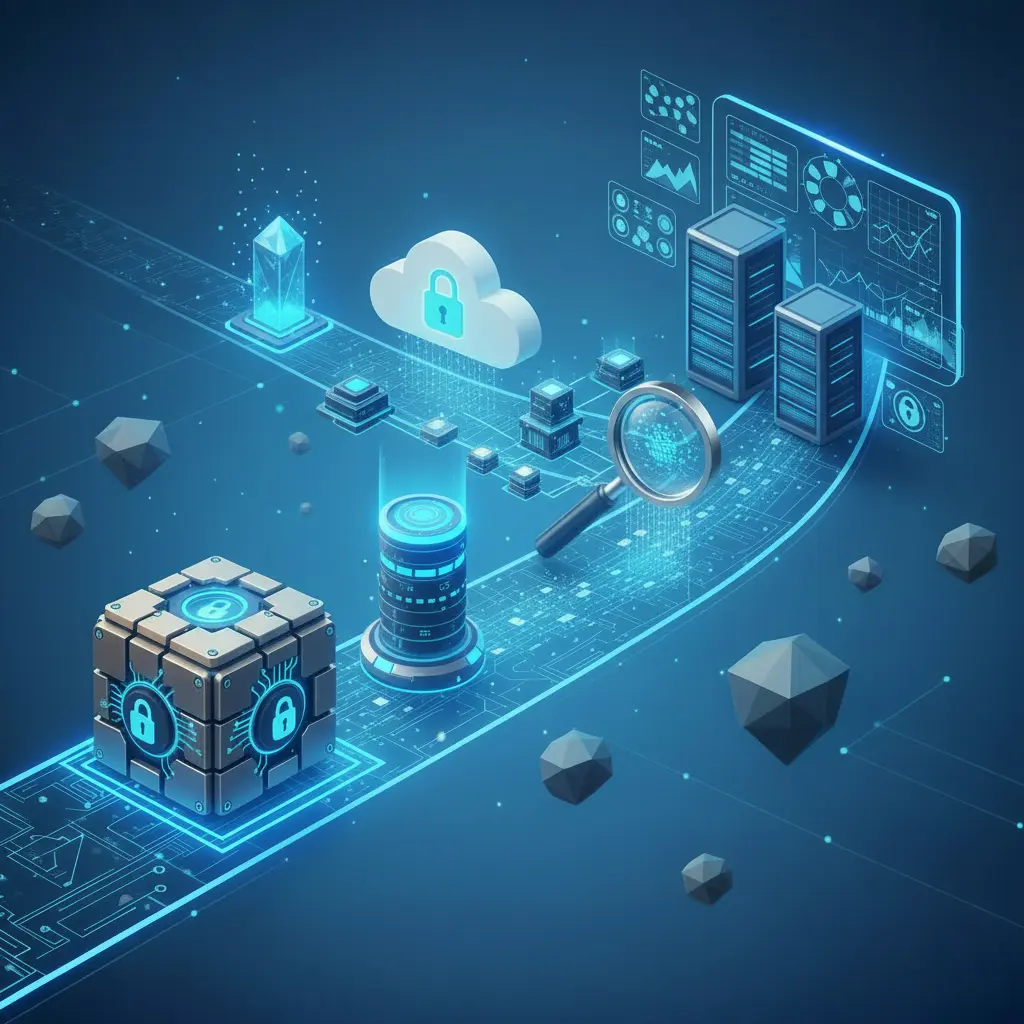
Transforming raw information into a competitive advantage requires more than just purchasing the latest software. For CTOs, IT managers, and business owners across the USA, the true challenge lies in sequencing. Adopting tools in the wrong sequence leads to siloed information, inflated costs, and failed AI initiatives. Understanding the correct business data technology implementation order is the foundational step toward building resilient, intelligent, and scalable systems. At MyFluiditi, we specialize in AI web app development. We see firsthand how organizations struggle when they deploy advanced artificial intelligence before establishing a solid information architecture. This guide provides a comprehensive roadmap for structuring your technology investments. We will break down the exact phases required to turn fragmented systems into cohesive, AI-ready powerhouses. The Stakes of Digital Transformation Organizations often rush to implement machine learning models or predictive analytics dashboards without preparing their underlying infrastructure. This approach almost always backfires. When you disrupt the proper business data technology implementation order, you force advanced algorithms to train on incomplete, dirty, or inaccessible information. The Cost of Disorganized Strategies Investing heavily in front-end AI web apps without backend preparation drains budgets. When applications lack a unified source of truth, employees spend countless hours manually reconciling reports. Furthermore, security vulnerabilities multiply when systems are pieced together haphazardly. By respecting a strategic sequence, US businesses can avoid these expensive missteps and ensure every new tool integrates smoothly with existing assets. Why the US Market Requires Precision The American market demands speed and compliance. With regulations varying across states and industries, your architecture must be both agile and secure. Competitors are rapidly adopting AI solutions. To stay ahead, you need a framework that supports rapid deployment while maintaining strict governance. Following the right business data technology implementation order guarantees that your company scales efficiently without compromising security or performance. Phase 1: Comprehensive Assessment and Auditing You cannot build a house without surveying the land. The first phase of any technological upgrade involves a rigorous audit of your current capabilities. Identifying Existing Assets Start by cataloging every piece of software, database, and manual process currently in use. Where does your information live? How does it move between departments? Who has access to it? Mapping these touchpoints reveals bottlenecks and redundancies. Ignoring this step disrupts the entire business data technology implementation order, leading to redundant purchases and incompatible systems down the line. Gap Analysis and Goal Setting Once you understand your current landscape, define your business objectives. Are you trying to improve customer retention, automate supply chain logistics, or personalize user experiences? Compare your current capabilities against these goals. The resulting gap analysis will dictate exactly what infrastructure you need to build next. Phase 2: Choosing the Right Infrastructure With a clear audit in hand, you must establish a secure, scalable home for your information. This foundational layer dictates the success of every subsequent phase. Cloud vs. On-Premise Solutions Modern AI web apps thrive in cloud environments. Cloud providers offer the elasticity required to process massive volumes of information dynamically. While some highly regulated industries still rely on on-premise servers, hybrid or fully cloud-based architectures provide the flexibility necessary for growth. Selecting your hosting environment is a critical milestone in the business data technology implementation order. Establishing Data Lakes and Warehouses Raw information needs a repository. Data lakes store unstructured information, while data warehouses organize processed, structured information for specific queries. Establishing these repositories ensures that when you eventually deploy business intelligence tools or AI models, they have a centralized, reliable source to pull from. Building this infrastructure early prevents the formation of isolated information silos across different departments. Phase 3: Governance and Security Protocols Before you start analyzing your centralized repositories, you must secure them. Security cannot be an afterthought; it must be baked into the architecture. Compliance in the American Market Data privacy regulations are becoming stricter. You must implement access controls, encryption, and audit trails to ensure compliance with standards like SOC 2, HIPAA, or state-specific privacy laws. Defining who can access specific types of information protects your organization from internal breaches and external threats. Building Resilient Architectures Establishing robust governance early in the business data technology implementation order ensures that your systems remain secure as they grow. This involves creating standardized naming conventions, establishing data quality rules, and implementing automated backup protocols. When information is clean, standardized, and secure, subsequent analytics and AI deployments become significantly easier to manage. Phase 4: Analytics and Business Intelligence Integration With a secure, organized foundation in place, you can begin extracting value through business intelligence (BI) tools. Moving from Raw Information to Actionable Insights BI tools connect to your warehouses to create visual representations of your operations. This phase transforms abstract numbers into readable dashboards, highlighting trends in sales, operational efficiency, and customer behavior. Deploying BI tools at this specific stage of the business data technology implementation order guarantees that executives make decisions based on accurate, real-time information rather than outdated spreadsheets. Tool Selection and Dashboarding Choose BI platforms that integrate seamlessly with your existing cloud infrastructure. Focus on creating role-specific dashboards. A CTO needs different metrics than a marketing director. By tailoring these views, you ensure that every department gains immediate value from the new architecture, building momentum for the final, most complex phase of transformation. Phase 5: Advanced AI and Machine Learning Deployment This is where MyFluiditi excels. With your infrastructure built, governed, and analyzed, your organization is finally ready to deploy advanced artificial intelligence. How MyFluiditi Approaches AI Web Apps We build intelligent web applications that leverage your newly organized ecosystem. Because you followed the correct business data technology implementation order, our AI models can access clean, centralized information. This allows us to develop custom applications that automate complex workflows, predict customer behavior, and generate deep, actionable insights. Predictive Analytics and Automation Machine learning models thrive on high-quality input. By waiting until Phase 5 to deploy these tools, you ensure the models train on accurate historical records. This leads to highly precise predictive analytics. Whether you